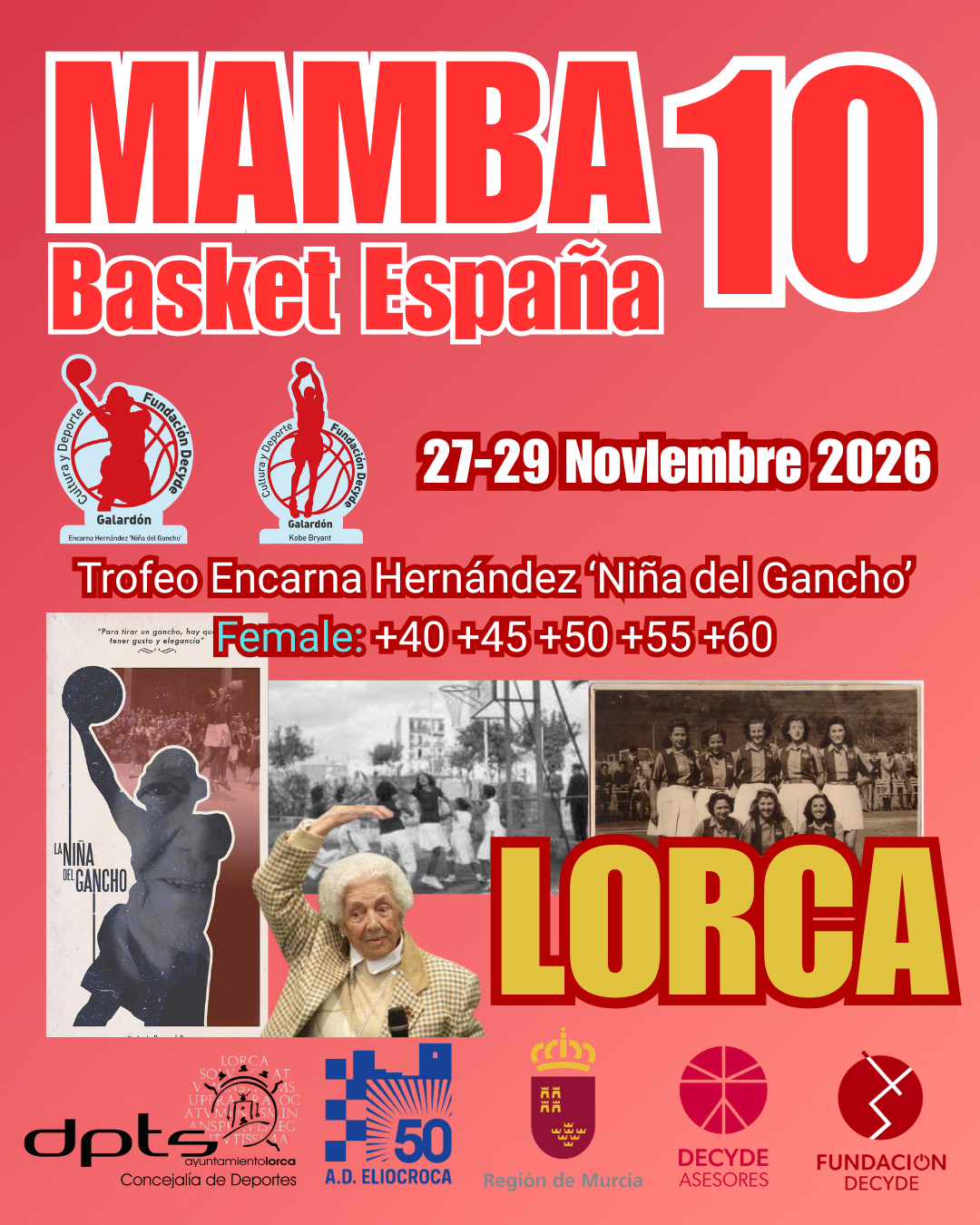
𝗪𝗢𝗠𝗘𝗡’𝗦 𝗕𝗔𝗦𝗞𝗘𝗧𝗕𝗔𝗟𝗟 & 𝗠𝗔𝗠𝗕𝗔 𝗕𝗔𝗦𝗞𝗘𝗧 𝗘𝗦𝗣𝗔𝗡̃𝗔 𝗘𝗡𝗖𝗔𝗥𝗡𝗔 𝗛𝗘𝗥𝗡𝗔́𝗡𝗗𝗘𝗭 “𝗡𝗜𝗡̃𝗔 𝗗𝗘𝗟 𝗚𝗔𝗡𝗖𝗛𝗢” 𝗧𝗥𝗢𝗣𝗛𝗬
𝗘𝗻𝗰𝗮𝗿𝗻𝗮 𝗛𝗲𝗿𝗻𝗮́𝗻𝗱𝗲𝘇 is not simply a name we have given to the women’s competition at 𝗠𝗔𝗠𝗕𝗔 𝗕𝗮𝘀𝗸𝗲𝘁. 𝗦𝗵𝗲 𝗶𝘀 𝘄𝗵𝗲𝗿𝗲 𝗶𝘁 𝗮𝗹𝗹 𝗯𝗲𝗴𝗮𝗻. And in Lorca, it also means 𝗰𝗼𝗺𝗶𝗻𝗴 𝗵𝗼𝗺𝗲.
𝗪𝗵𝗼 𝘄𝗮𝘀 𝗘𝗻𝗰𝗮𝗿𝗻𝗮 𝗛𝗲𝗿𝗻𝗮́𝗻𝗱𝗲𝘇?
𝗘𝗻𝗰𝗮𝗿𝗻𝗮𝗰𝗶𝗼́𝗻 𝗛𝗲𝗿𝗻𝗮́𝗻𝗱𝗲𝘇 𝗥𝘂𝗶𝘇 was born in 𝗟𝗼𝗿𝗰𝗮 on 23 January 1917. When she was only ten years old, she moved with her family to Barcelona. There, while still a child, she began a relationship with basketball that would eventually make her one of the great pioneers in the history of Spanish women’s sport.
She played for more than two decades, from the early 1930s until 1953, for teams including Atlas, Laietà, Cottet, Sección Femenina and FC Barcelona. But reducing her legacy to her career as a player would tell only part of the story.
Encarna was a 𝗽𝗹𝗮𝘆𝗲𝗿, 𝗰𝗼𝗮𝗰𝗵, 𝘁𝗲𝗮𝗺 𝗳𝗼𝘂𝗻𝗱𝗲𝗿 𝗮𝗻𝗱 𝗿𝗲𝗳𝗲𝗿𝗲𝗲. She opened doors at a time when there were almost no doors for women to open in sport. She became one of the pioneers of Spanish women’s basketball and worked as a coach when seeing a woman leading a team was still something truly exceptional.
And she did so despite an apparent contradiction that makes her story even more extraordinary: 𝘀𝗵𝗲 𝘄𝗮𝘀 𝗮𝗿𝗼𝘂𝗻𝗱 𝟭.𝟱𝟰 𝗺𝗲𝘁𝗿𝗲𝘀 𝘁𝗮𝗹𝗹.
But Encarna possessed something that cannot be measured in centimetres.
𝗦𝗵𝗲 𝗵𝗮𝗱 𝘁𝗮𝗹𝗲𝗻𝘁. 𝗦𝗵𝗲 𝗵𝗮𝗱 𝗰𝗵𝗮𝗿𝗮𝗰𝘁𝗲𝗿. 𝗦𝗵𝗲 𝗵𝗮𝗱 𝗱𝗲𝘁𝗲𝗿𝗺𝗶𝗻𝗮𝘁𝗶𝗼𝗻.
𝗔𝗻𝗱 𝘀𝗵𝗲 𝗵𝗮𝗱 𝗮 𝗵𝗼𝗼𝗸 𝘀𝗵𝗼𝘁.
𝗪𝗵𝗲𝗿𝗲 𝗱𝗶𝗱 𝘁𝗵𝗲 𝗻𝗮𝗺𝗲 “𝗟𝗮 𝗡𝗶𝗻̃𝗮 𝗱𝗲𝗹 𝗚𝗮𝗻𝗰𝗵𝗼” 𝗰𝗼𝗺𝗲 𝗳𝗿𝗼𝗺?
The nickname came from the way she played.
Encarna became known for her ability to score with the 𝗵𝗼𝗼𝗸 𝘀𝗵𝗼𝘁, a particularly unusual technique at the time and even more remarkable for a player of her height. Some accounts suggest that she developed the shot almost instinctively, eventually turning it into one of the defining features of her game. That is why she became known as 𝗟𝗮 “𝗡𝗶𝗻̃𝗮 𝗱𝗲𝗹 𝗚𝗮𝗻𝗰𝗵𝗼” — “The Girl with the Hook Shot”.
But over time, that name came to represent much more than a basketball move.
𝗟𝗮 𝗡𝗶𝗻̃𝗮 𝗱𝗲𝗹 𝗚𝗮𝗻𝗰𝗵𝗼 is the image of a woman who found her own way to reach the basket when basketball —and much of society— did not seem to have been designed for her.
And perhaps that is where the true beauty of the nickname lies.
𝗦𝗵𝗲 𝘄𝗮𝘀 𝗻𝗼𝘁 𝘁𝗵𝗲 𝘁𝗮𝗹𝗹𝗲𝘀𝘁.
𝗦𝗵𝗲 𝗱𝗶𝗱 𝗻𝗼𝘁 𝗹𝗶𝘃𝗲 𝗶𝗻 𝗮 𝗳𝗮𝘃𝗼𝘂𝗿𝗮𝗯𝗹𝗲 𝗲𝗿𝗮.
𝗦𝗵𝗲 𝗱𝗶𝗱 𝗻𝗼𝘁 𝗵𝗮𝘃𝗲 𝘁𝗵𝗲 𝘀𝘁𝗿𝘂𝗰𝘁𝘂𝗿𝗲𝘀, 𝗰𝗼𝗺𝗽𝗲𝘁𝗶𝘁𝗶𝗼𝗻𝘀 𝗼𝗿 𝗼𝗽𝗽𝗼𝗿𝘁𝘂𝗻𝗶𝘁𝗶𝗲𝘀 𝘁𝗵𝗮𝘁 𝗲𝘅𝗶𝘀𝘁 𝘁𝗼𝗱𝗮𝘆.
But she found her own path.
𝗔𝗻𝗱 𝘀𝗵𝗲 𝘁𝗼𝗼𝗸 𝘁𝗵𝗲 𝘀𝗵𝗼𝘁.
𝗪𝗵𝘆 𝗱𝗼𝗲𝘀 𝘁𝗵𝗲 𝘄𝗼𝗺𝗲𝗻’𝘀 𝗰𝗼𝗺𝗽𝗲𝘁𝗶𝘁𝗶𝗼𝗻 𝗮𝘁 𝗠𝗔𝗠𝗕𝗔 𝗕𝗮𝘀𝗸𝗲𝘁 𝗯𝗲𝗮𝗿 𝗵𝗲𝗿 𝗻𝗮𝗺𝗲?
Because 𝗠𝗔𝗠𝗕𝗔 𝗕𝗮𝘀𝗸𝗲𝘁 does not want its trophies to be merely a cup that someone lifts on Sunday.
𝗪𝗲 𝘄𝗮𝗻𝘁 𝘁𝗵𝗲𝗺 𝘁𝗼 𝗵𝗮𝘃𝗲 𝗺𝗲𝗺𝗼𝗿𝘆, 𝗶𝗱𝗲𝗻𝘁𝗶𝘁𝘆 𝗮𝗻𝗱 𝗺𝗲𝗮𝗻𝗶𝗻𝗴.
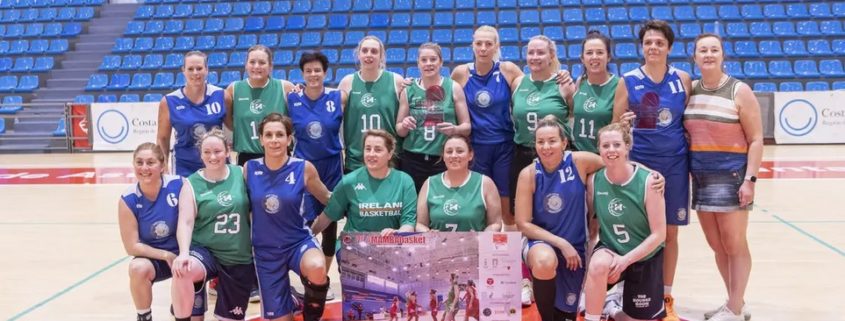
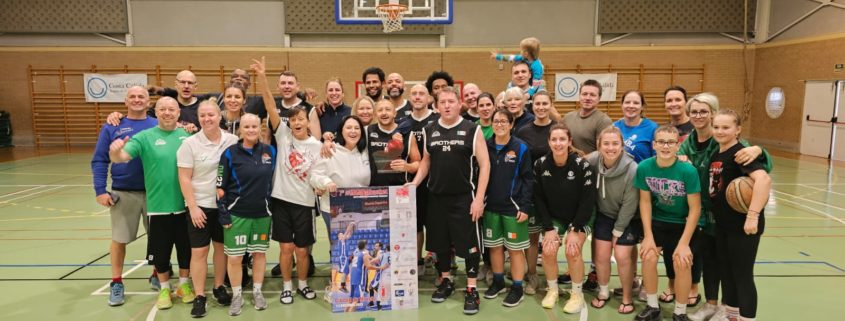
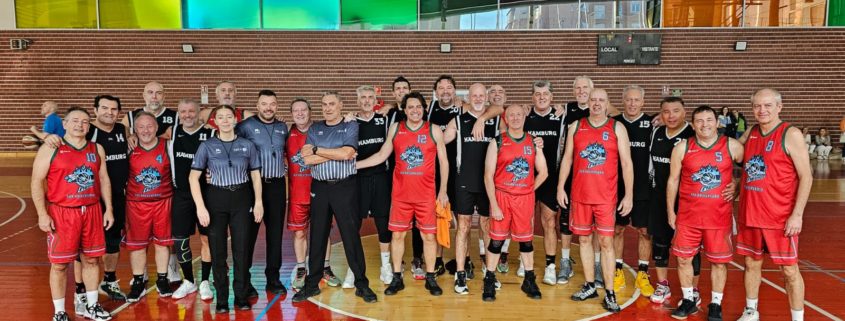
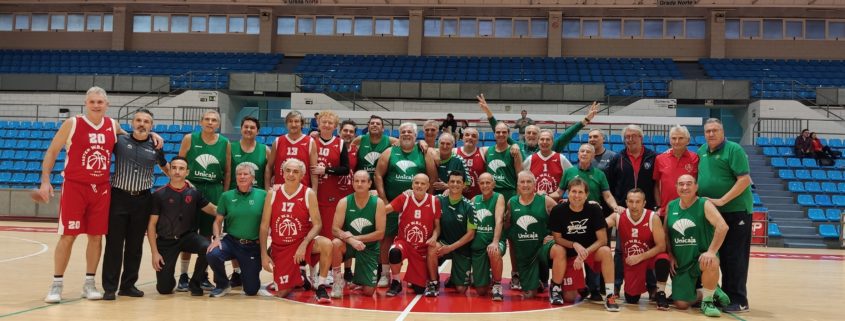
MAMBA was created for people who refuse to accept that there is an age at which they must stop feeling like basketball players. People who, after many years, still pack their sports bag, travel with their teammates, walk into a locker room, compete and enjoy something that remains part of who they are.
And few figures represent that idea better than Encarna Hernández.
She played for decades. She experienced basketball far beyond one particular stage of her life. She was a player, a coach and a role model. She remained emotionally connected to the sport until, as a centenarian, she became a living memory of Spanish women’s basketball. Her story was portrayed in the documentary 𝗟𝗮 𝗡𝗶𝗻̃𝗮 𝗱𝗲𝗹 𝗚𝗮𝗻𝗰𝗵𝗼, released in 2016.
That is why our women’s competition is called:
𝗘𝗻𝗰𝗮𝗿𝗻𝗮 𝗛𝗲𝗿𝗻𝗮́𝗻𝗱𝗲𝘇 𝗧𝗿𝗼𝗽𝗵𝘆 · “𝗡𝗶𝗻̃𝗮 𝗱𝗲𝗹 𝗚𝗮𝗻𝗰𝗵𝗼”
Not only to remember a pioneer.
But also to tell every woman who steps onto a MAMBA court that 𝗵𝗲𝗿 𝗼𝘄𝗻 𝘀𝘁𝗼𝗿𝘆 𝗶𝘀 𝗽𝗮𝗿𝘁 𝗼𝗳 𝗮 𝗺𝘂𝗰𝗵 𝗴𝗿𝗲𝗮𝘁𝗲𝗿 𝘀𝘁𝗼𝗿𝘆.
MAMBA players are 40, 45, 50, 55, 60 years old or more.
They come from different cities and countries.
Some played at the highest level. Others began in more modest competitions. Some never stopped competing. Others returned to basketball after many years away.
But they all share something with that girl who began playing almost a century ago:
𝗧𝗵𝗲𝘆 𝘀𝘁𝗶𝗹𝗹 𝘄𝗮𝗻𝘁 𝘁𝗵𝗲 𝗯𝗮𝗹𝗹 𝗶𝗻 𝘁𝗵𝗲𝗶𝗿 𝗵𝗮𝗻𝗱𝘀.
𝗔𝗻𝗱 𝘄𝗵𝘆 𝗶𝘀 𝘁𝗵𝗲 “𝗡𝗶𝗻̃𝗮 𝗱𝗲𝗹 𝗚𝗮𝗻𝗰𝗵𝗼” 𝗧𝗿𝗼𝗽𝗵𝘆 𝘀𝗼 𝘀𝗽𝗲𝗰𝗶𝗮𝗹 𝗽𝗿𝗲𝗰𝗶𝘀𝗲𝗹𝘆 𝗶𝗻 𝗟𝗼𝗿𝗰𝗮?
Because in 2026, something will happen that cannot be explained simply through a calendar or a final ranking.
𝗘𝗻𝗰𝗮𝗿𝗻𝗮 𝗶𝘀 𝗿𝗲𝘁𝘂𝗿𝗻𝗶𝗻𝗴 𝘁𝗼 𝗟𝗼𝗿𝗰𝗮.
Not physically, because Encarna Hernández passed away in Barcelona in 2022 at the age of 105. But she returns through her name, her story and the women who will play in the tournament that honours her memory.
𝗟𝗼𝗿𝗰𝗮 𝘄𝗮𝘀 𝗵𝗲𝗿 𝗯𝗶𝗿𝘁𝗵𝗽𝗹𝗮𝗰𝗲.
Her story began here before her family moved to Barcelona.
And on 𝟮𝟳, 𝟮𝟴 𝗮𝗻𝗱 𝟮𝟵 𝗡𝗼𝘃𝗲𝗺𝗯𝗲𝗿 𝟮𝟬𝟮𝟲, when the tenth edition of 𝗠𝗔𝗠𝗕𝗔 𝗕𝗮𝘀𝗸𝗲𝘁 𝗘𝘀𝗽𝗮𝗻̃𝗮 is held in Lorca, women’s teams from different places will compete under the name of a woman born in that same city more than a century earlier. MAMBA will celebrate its tenth edition there as an international Masters basketball tournament.
That makes this edition different.
Because the 𝗘𝗻𝗰𝗮𝗿𝗻𝗮 𝗛𝗲𝗿𝗻𝗮́𝗻𝗱𝗲𝘇 “𝗡𝗶𝗻̃𝗮 𝗱𝗲𝗹 𝗚𝗮𝗻𝗰𝗵𝗼” 𝗧𝗿𝗼𝗽𝗵𝘆 is not arriving in Lorca.
𝗜𝘁 𝗶𝘀 𝗿𝗲𝘁𝘂𝗿𝗻𝗶𝗻𝗴 𝘁𝗼 𝗟𝗼𝗿𝗰𝗮.
Returning to the city where Encarna was born.
Returning as an international competition.
Returning through women who continue playing when so many previous generations were forced to stop.
Returning with players of different ages, from different cities and different countries, sharing the same court.
And returning during a historic edition: 𝘁𝗵𝗲 𝘁𝗲𝗻𝘁𝗵 𝗠𝗔𝗠𝗕𝗔 𝗕𝗮𝘀𝗸𝗲𝘁 𝗘𝘀𝗽𝗮𝗻̃𝗮.
Some symbols are designed.
Others seem to have been waiting for the right moment to come together.
𝗜𝗻 𝗟𝗼𝗿𝗰𝗮 𝟮𝟬𝟮𝟲, 𝘁𝗵𝗲 𝗰𝗶𝗿𝗰𝗹𝗲 𝗶𝘀 𝗰𝗼𝗺𝗽𝗹𝗲𝘁𝗲.
A girl born in Lorca in 1917 found a basketball, learned how to shoot a hook and helped open a path that, almost a century later, thousands of women continue to follow.
This November, some of them will play in her city.
That is why there may be no trophy more meaningful than the one lifted in her name.
𝗘𝗻𝗰𝗮𝗿𝗻𝗮 𝗛𝗲𝗿𝗻𝗮́𝗻𝗱𝗲𝘇 𝗧𝗿𝗼𝗽𝗵𝘆 · “𝗡𝗶𝗻̃𝗮 𝗱𝗲𝗹 𝗚𝗮𝗻𝗰𝗵𝗼”
𝗕𝗲𝗰𝗮𝘂𝘀𝗲 𝗯𝗲𝗳𝗼𝗿𝗲 𝘀𝗼 𝗺𝗮𝗻𝘆 𝘄𝗼𝗺𝗲𝗻 𝘄𝗲𝗿𝗲 𝗮𝗯𝗹𝗲 𝘁𝗼 𝗽𝗹𝗮𝘆, 𝘁𝗵𝗲𝗿𝗲 𝘄𝗲𝗿𝗲 𝘄𝗼𝗺𝗲𝗻 𝘄𝗵𝗼 𝗵𝗮𝗱 𝘁𝗼 𝗼𝗽𝗲𝗻 𝘁𝗵𝗲 𝗰𝗼𝘂𝗿𝘁.
𝗔𝗻𝗱 𝗯𝗲𝗰𝗮𝘂𝘀𝗲, 𝗶𝗻 𝟮𝟬𝟮𝟲, 𝗟𝗮 𝗡𝗶𝗻̃𝗮 𝗱𝗲𝗹 𝗚𝗮𝗻𝗰𝗵𝗼 𝗶𝘀 𝗰𝗼𝗺𝗶𝗻𝗴 𝗵𝗼𝗺𝗲.